The 10-minute checklist
- Look and listen. Run the door once. Grinding, scraping or jerky movement means something is worn or dry.
- Check the springs. Look for gaps in the coil, rust, or a spring that looks stretched compared to the other one.
- Check the cables. Frayed strands near the bottom corners of the door are a warning sign.
- Reverse test. Lay a roll of paper towels under the door and close it. It should touch and go back up. If it doesn't, stop using the opener until it's fixed.
- Balance test. Pull the release with the door fully closed, then lift it halfway by hand. A balanced door stays put. If it drops or shoots up, the springs need adjustment. If you're not comfortable doing this, skip it and have it checked.
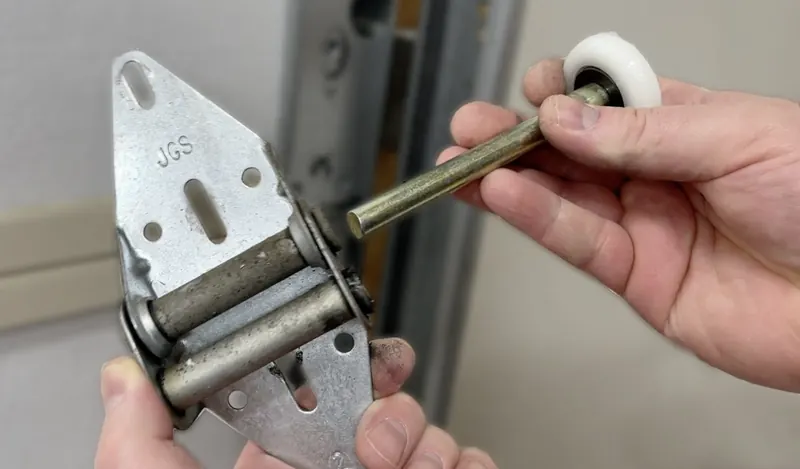
- Lubricate. A light spray of garage door lubricant on the springs, hinges and roller bearings. Not the tracks, and not grease.
- Bottom seal. If you can see daylight under the closed door, the seal is letting in cold air, water and mice.
When to book a tune-up
If anything on the list looked off, or nobody has touched the door in a couple of years, a tune-up costs far less than the emergency call. Ours is $99–$129: lubrication, balance and safety tests, tightening hardware, and checking cables, rollers and the seal.
More about garage door maintenance and tune-up.
Prefer we reach out? Leave your number.
We text you back with a likely cause and a price range. Faster still: text a photo of the door straight to us.